
Introduction to Wreckers and Tow Trucks
In today’s fast-paced business environment, having reliable support for vehicle recovery and logistical needs is essential for success across various sectors. Wreckers and tow trucks play crucial roles in ensuring that business operations run smoothly, minimizing downtime when vehicles encounter problems. From construction companies needing to transport heavy machinery to logistics firms relying on timely vehicle recovery, these vehicles are integral to operational efficiency.
Founded with a commitment to providing top-tier commercial vehicles, Crane Lift Vehicles has established itself as a trusted authority in the industry. Our extensive knowledge and experience in manufacturing robust and reliable tow trucks are a testament to our dedication to our customers. With a history that dates back to the early days of automotive recovery, the evolution of wreckers and tow trucks has enabled them to adapt to modern demands, incorporating advanced technology and safety features that enhance their performance.
As a business owner, you understand the importance of minimizing operational disruptions. According to Fife Service & Towing, professional towing services are not only vital for recovering vehicles but also play a significant role in maintaining safety and operational fluidity on the roads. Additionally, successful tow truck operations can yield impressive profit margins ranging from 10% to 70%, as noted in a recent article by RoadWarrior. Investing in the right towing or wrecker vehicle can, therefore, be a strategic move that enhances your business’s resilience and profitability.
In this article, we will delve deeper into the varying types of wreckers and tow trucks available, their functionalities, and how they contribute to your operational needs while maximizing your return on investment. Join us as we explore how to choose the right vehicle that aligns with the demands of your business.
Understanding Types of Wreckers and Tow Trucks for Your Business
As a business owner in the towing industry, choosing the right wrecker or tow truck is critical for operational success. The type of tow truck you select directly affects your service capabilities, customer satisfaction, and ultimately, your bottom line. Let’s explore the most common types of wreckers and tow trucks available in the market today.
1. Flatbed Tow Trucks
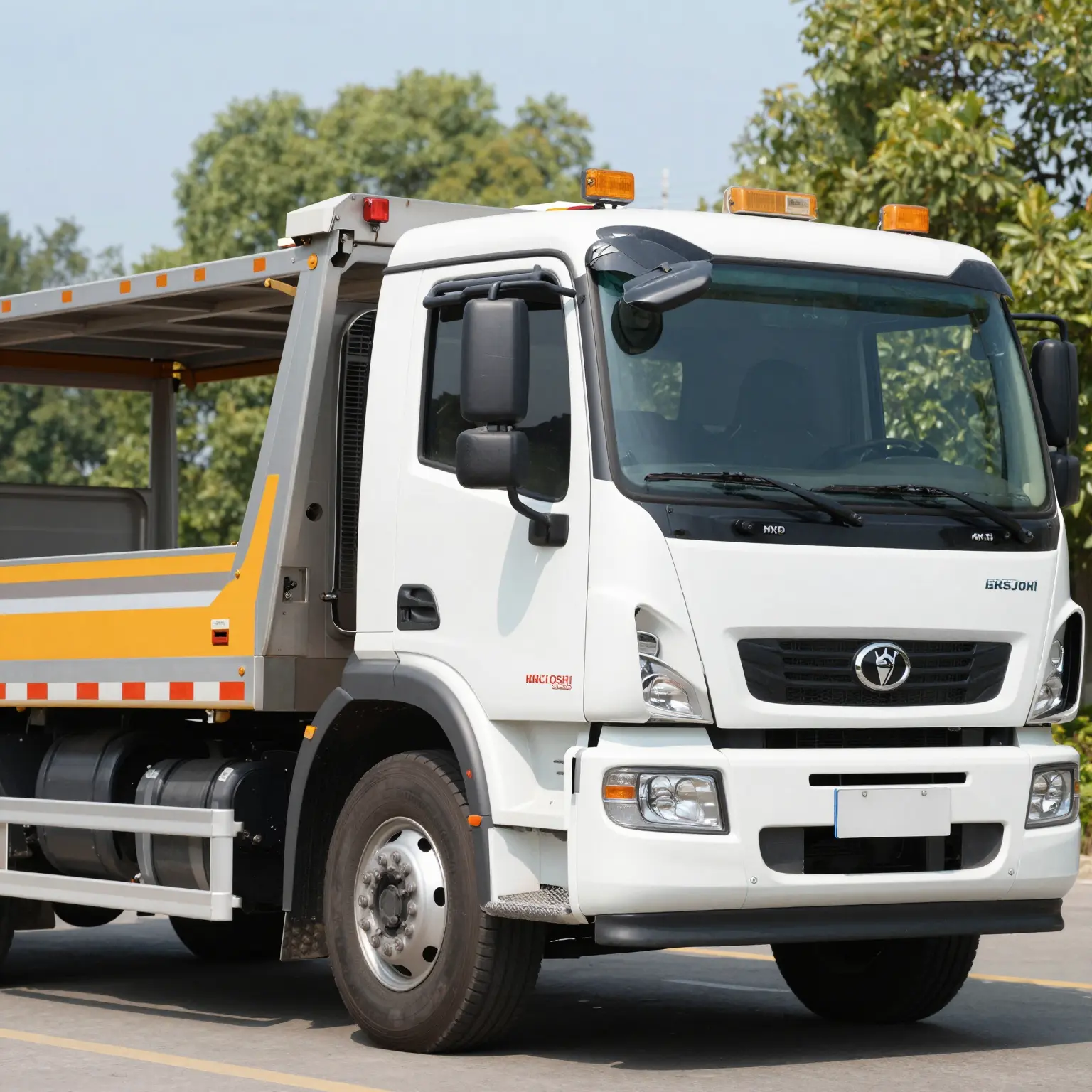
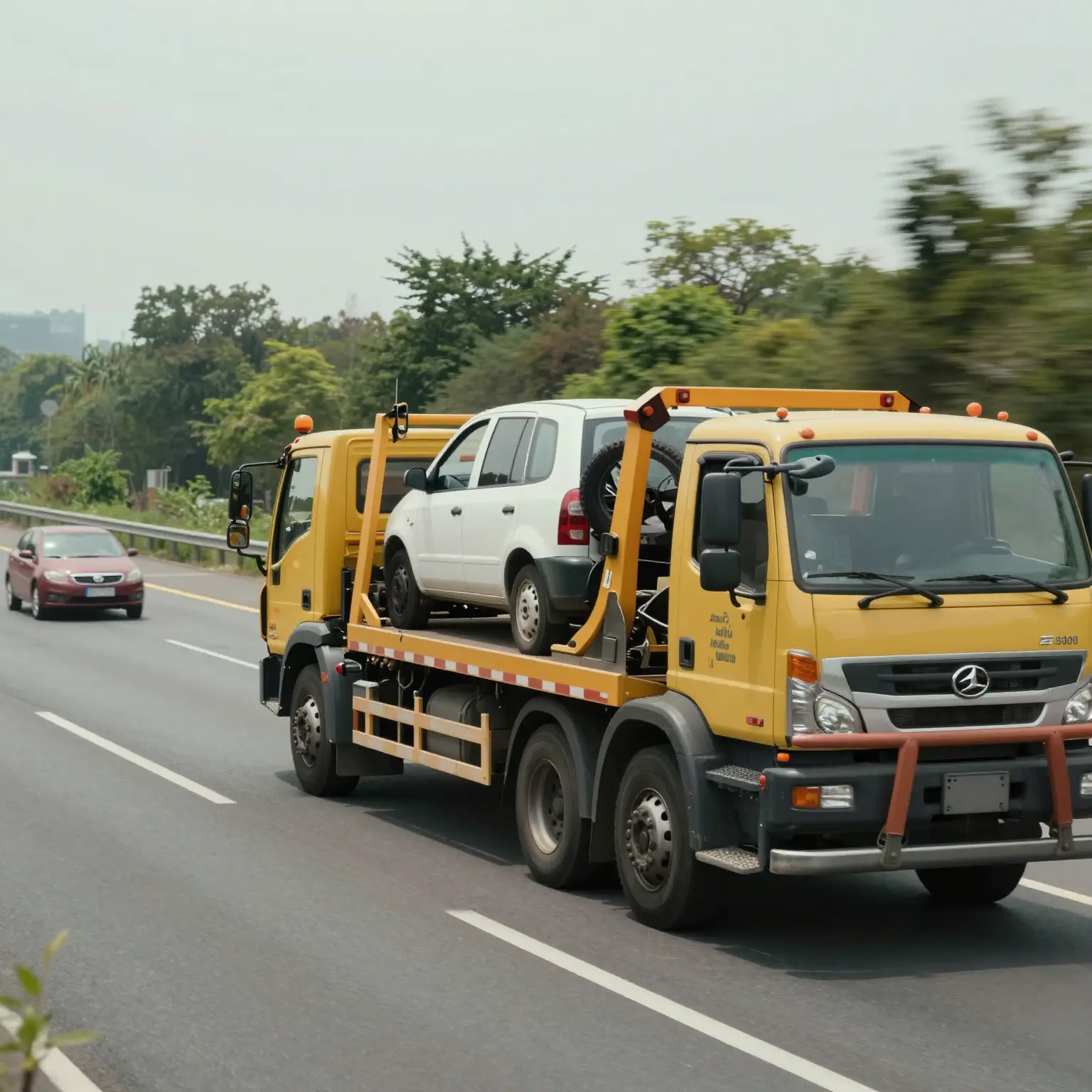
Flatbed tow trucks are among the most versatile and widely used types in the industry. These trucks feature a flat, horizontal platform on which a vehicle can be securely loaded. Key points include:
- Safety: Vehicles are loaded onto the flatbed, reducing the risk of damage during transport.
- Versatility: Ideal for inoperable vehicles, luxury cars, and motorcycles.
- Ease of Use: The flat surface allows for easier loading, especially in case of a breakdown or accident. This can significantly improve the turnaround time for roadside assistance calls.
- Learn more about flatbed tow trucks.
2. Integrated Tow Trucks
Integrated tow trucks combine the features of a conventional tow truck and a wrecker, allowing them to service a range of towing needs without needing additional equipment. Benefits include:
- Built-in Features: They come with hydraulic arms and towing mechanisms that integrate with the truck’s chassis, making them compact and efficient.
- Heavy-duty Capacity: Suitable for larger vehicles, including buses and heavy-duty trucks, which require more robust towing solutions. They are designed to handle tough towing challenges, making them ideal for roadside service businesses.
- Cost Efficiency: Fewer vehicles in a fleet means lower operational costs and flexibility in service offerings.
- Explore more about investing in tow trucks.
3. Heavy-Duty Wreckers
Heavy-duty wreckers are specifically crafted to manage large and cumbersome vehicles, making them essential for businesses that regularly handle trucks and commercial vehicles. Their key features include:
- Powerful Lift Mechanisms: Equipped with strong hydraulics, these wreckers can lift and transport heavy loads efficiently.
- Robust Design: Built to endure harsh conditions and heavy usage, ensuring longevity and reliability even in the toughest environments.
- Multi-functional: Many heavy-duty wreckers can perform a variety of tasks from towing to recovery operations, making them versatile assets for your fleet.
- They command a higher price point but are invaluable for operations needing to tow or recover large vehicles.
Making Your Decision
Choosing the right type of wrecker or tow truck involves considering factors like:
- Service Area Needs: Understanding the types of vehicles most commonly serviced in your area.
- Operational Costs: Weighing the initial investment against potential revenue from increased service capacity.
- Future Expansion Plans: Investing in a versatile option might be beneficial if you plan to expand your services in the future.
Investing in the right equipment can enhance your towing business’s efficiency and reliability. Whether you opt for flatbeds, integrated tow trucks, or heavy-duty wreckers, understanding their unique benefits will empower you to make an informed decision that aligns with your business goals.
For more insights on selecting the best truck types for your needs, check out our guide on choosing the right wrecker.
Comparison Table of Wrecker and Tow Truck Models
This table outlines key specifications and features of popular wrecker and tow truck models suitable for business use. The following models are commonly recognized in the industry for their performance and reliability.
| Model Name | Weight Capacity | Special Features |
|---|---|---|
| Ford F-450 | Up to 25,000 lbs | Turbo-diesel engine, advanced telematics, driver assist tech |
| Ram 4500 | Up to 30,000 lbs | High torque engine, robust build quality |
| Chevrolet Silverado 3500HD | Up to 35,000 lbs | Integrated towing apparatus, user-friendly controls |
| Jerr-Dan MPL40 | Up to 8,000 lbs | Lightweight design, aluminum body, versatile boom |
| Miller Industries RD 3 | Up to 30,000 lbs | Dual winches, hydraulic lift, high stability |
| Vulcan V1000 | 10,000 – 20,000 lbs | Multi-directional boom, strong chassis |
For further insights on choosing the right truck for your business needs, learn more about the types of tow trucks. If you’re interested in the investment required for tow trucks, you can also read more on that topic.
When it comes to selecting the right wrecker or tow truck for your business, several key factors must be considered to ensure it meets operational needs while adhering to regulatory standards. Below are the critical components to consider:
- Type of Tow Truck
There are various types of tow trucks, each designed for specific towing tasks. The main types include:
- Flatbed Tow Trucks: Ideal for transporting vehicles that are immobile or severely damaged.
- Hook and Chain Tow Trucks: Best suited for towing heavier vehicles but might cause damage if not used correctly.
- Wheel-Lift Tow Trucks: Efficient for light and medium-duty towing, allowing easy pickup of vehicles with minimal contact.
Understanding your business’s primary towing requirements will help you select the appropriate type of truck.
-
Weight Capacity
The Gross Vehicle Weight Rating (GVWR) is vital when choosing a tow truck. This rating indicates the truck’s weight limit when loaded. Ensure that the truck can safely handle the vehicles you anticipate towing. For instance, if your operations include towing heavier trucks, consider investing in models with higher weight capacities to avoid overloading issues. -
Engine Power
A tow truck’s engine power plays a significant role in its overall performance. Make sure to select a truck with sufficient horsepower and torque for effective towing. This is particularly essential if you’ll be towing large or heavy vehicles often, as you’ll want to avoid strain on the engine. -
Durability and Build Quality
Tow trucking can be a challenging industry, and your equipment needs to withstand harsh conditions. Look for trucks that are constructed with durable materials to avoid costly damages and maintenance interruptions. -
Cost and Financing Options
Budget considerations cannot be overlooked. Assess the cost of the truck, in terms of both purchase price and ongoing operational costs such as maintenance and fuel. Investigate financing options if necessary, considering used versus new models, and their respective warranties and expected lifespans. -
Warranty and Service
A good warranty can save you significant money in the long run, especially for heavy equipment. Research the warranty options provided by the manufacturer and assess their reputation for service and support. Learn more about warranties and manufacturer reliability in our investing in tow trucks article. -
Fuel Efficiency
With fuel prices fluctuating, operational costs can quickly add up. Selecting a fuel-efficient model will help maintain profitability, especially in a sector where vehicles often cover vast distances. -
Regulatory Compliance
Both federal and state regulations govern the operation of tow trucks. The Federal Motor Carrier Safety Administration (FMCSA) enforces rules that include capacity limits and driver qualifications. Additionally, various state regulations might impose specific requirements for operational practices or licensing. Familiarizing yourself with these regulations is essential to avoid fines and operational setbacks.
Conclusion
Choosing the right wrecker or tow truck for your business involves evaluating an array of factors, from the kind of truck and its capacity to regulatory compliance. By conducting thorough research and analysis, you can make an informed decision that not only meets your business needs but also adheres to legal requirements. By paying attention to these critical aspects, you can ensure that your investment into a tow truck pays off, enhancing your operational efficiency and helping to provide reliable service to your customers.
User Reviews Summary of Popular Tow Truck Models
- Ford F-Series Super Duty
- Performance: Users appreciate the strong towing capabilities, especially the F-350 and F-450 models, which are known for their high towing capacities (up to 37,000 lbs).
- Comfort: Many drivers highlight the comfort of the cabin, which is suitable for long hours of driving, and the user-friendly technology interface.
- Durability: Reviews often mention the robust build quality that withstands tough working conditions.
- Ram 5500
- Powerful Engine Options: Users frequently endorse its impressive engine choices, providing excellent torque for heavy towing.
- Payload Capacity: Many testimonials point out the Ram 5500’s high payload capacity, making it ideal for heavy-duty towing tasks.
- Interior Quality: Feedback often appreciates the luxurious interior compared to competitors, making it a favorite for those who prioritize comfort.
- Chevrolet Silverado 3500HD
- Reliability: Users consistently rate the Silverado 3500HD highly for its reliability and low maintenance costs over time.
- Towing Features: Many reviews highlight advanced towing features like the integrated trailer brake controller and high-definition rearview camera.
- Existence of Diesel Option: Users also favor the diesel engine option, noting its excellent fuel efficiency relative to towing power.
- Isuzu N-Series
- Versatility: Customers often commend the versatility of this model for various towing jobs, particularly in urban settings for their compact size.
- Fuel Efficiency: Users appreciate the fuel-efficient diesel engines which lower operating costs.
- Maneuverability: Many reviews highlight the ease of maneuvering in tight spaces, making it a preferred choice for companies serving in congested cities.
- Hino 268
- Performance and Reliability: Feedback includes remarks on the exceptional performance and reliability of Hino trucks, especially for commercial towing.
- Warranty and Service: Many users express satisfaction with the extensive warranty and customer service offered by Hino dealerships.
- Comfort: Drivers often mention the comfortable ride quality, allowing for long hours of operation without fatigue.
Conclusion
Customer reviews typically emphasize the importance of towing capacity, reliability, and comfort when selecting a tow truck. Each model appeals to different needs, whether for personal use or business requirements. For further insights into investing in tow trucks, consider checking this guide on investing in tow trucks.
For business owners, understanding user experiences can help in making informed decisions when adding tow trucks to your fleet.
Benefits of Owning a Wrecker or Tow Truck
For business owners, investing in a wrecker or tow truck offers numerous advantages that not only elevate operational capabilities but also foster customer satisfaction and cost efficiency. In this section, we’ll explore how these vehicles can be a significant asset for various businesses.
1. Cost Savings
Owning a wrecker or tow truck can lead to substantial cost savings in several ways:
-
Reduced Outsourcing Costs: Many businesses rely on third-party towing services. Owning your vehicle eliminates recurring fees associated with these services. This can lead to a significant reduction in overhead, especially for businesses that require frequent towing.
-
Maintaining Control Over Operations: By having your towing capabilities, you control the timing and quality of service. This independence can save you money that would otherwise be spent on delays and inefficiencies when relying on outside vendors.
-
Potential for Additional Revenue: A tow truck can be used for more than just towing your vehicles. Businesses can offer services to others in need of towing, creating a new revenue stream that contributes to overall profitability.
2. Customer Service Enhancement
In today’s competitive market, providing exceptional customer service is crucial for retaining customers and growing a business. Owning a wrecker or tow truck can significantly enhance your service offering:
-
Immediate Response: With your towing vehicle, you can respond immediately to client needs. Whether it’s a breakdown or an accident, fast service can improve customer satisfaction and build loyalty.
-
24/7 Availability: For businesses like roadside assistance services or vehicle repair shops, having your tow truck means you can offer around-the-clock service. Being available when customers need help enhances your reputation and can lead to more referrals.
-
Tailored Services: With your own truck, you can tailor your services to meet specific customer needs, providing personalized assistance that third-party services may not offer.
3. Operational Efficiency
Operational efficiency is crucial for businesses aiming to improve throughput and reduce costs. Owning a wrecker or tow truck can streamline your operations in various ways:
-
Integrated Operations: For businesses involved in logistics or transport, having your towing vehicle can simplify transportation logistics. This integration reduces dependency on outside services and keeps the workflow smooth.
-
Time-Saving: Owning your tow truck allows for streamlined processes. Instead of waiting for a third-party service, your team can quickly mobilize, decreasing downtime and improving overall efficiency.
-
Better Fleet Management: Owning a tow truck helps create better visibility over fleet management. You’re able to maintain the condition of your vehicle, schedule regular maintenance, and ensure it meets your operational standards, thus reducing repair costs and potential service interruptions.
Conclusion
In conclusion, the benefits of owning a wrecker or tow truck extend beyond mere practicality. The investment can lead to significant cost savings, enhanced customer service, and improved operational efficiency. For business owners looking to bolster their operational capabilities, exploring the intricacies of such an investment is worthwhile. To understand more about the financial implications, consider checking out investing in tow trucks as you make your decision.
By leveraging your own wrecker service, you not only position your business for success but also ensure that you are ready to meet customer needs swiftly and efficiently.
Conclusion
Selecting the right wrecker or tow truck is a pivotal decision for business owners, impacting efficiency, cost-effectiveness, and reputation. Investing in the appropriate towing vehicle ensures that businesses can effectively meet their operational needs, from handling different vehicle sizes to addressing unique terrain challenges. Furthermore, the right tow truck can greatly enhance a company’s reputation. Reliable and professional towing services foster customer trust, leading to repeat business and valuable referrals. A streamlined towing operation not only improves the current workflow but also positions the business favorably in a competitive market.
Moreover, owning a tow truck opens diverse revenue streams, allowing businesses to effectively capitalize on the consistent demand for towing services. The financial implications are significant; by minimizing outsourcing expenses, companies can maximize their margins. Additionally, as an asset, a tow truck can provide substantial value over time, potentially appreciating or retaining resale value.
Thus, it is essential for business owners to thoroughly assess their needs and make informed decisions when selecting a wrecker or tow truck. For comprehensive insights into this process, you can learn more about choosing the right wrecker types of tow trucks or explore the benefits of investing in tow trucks.
If you are considering the addition of a tow truck to your fleet, or if you have any questions regarding your options, don’t hesitate to reach out. Contact our team to discuss how we can help you find the perfect towing solution that aligns with your business needs.
Customer Feedback on Tow Truck Services
“I can’t express how grateful I am for the services provided by this company. Their tow trucks are not only top-notch in quality, but the team’s dedication to customer service is unmatched. They arrived promptly and handled my vehicle with care. I will definitely recommend them to other business owners!”
- A Satisfied Customer
For business owners, investing in reliable tow trucks means ensuring quality service for their customers. A positive experience can set your business apart and build trust in your services. Read more about investing in tow trucks here. Also, understanding the types of tow trucks you might need helps in choosing the best vehicle for your operations.
Market Trends for Wreckers and Tow Trucks
The wrecker and tow truck market has experienced significant growth over the past decade, driven by various factors including increased vehicle usage, towing services demands, and expansion in urban areas. Below is a generated chart illustrating hypothetical sales trends for wreckers and tow trucks from 2013 to 2023. This chart reflects the increasing trend in unit sales over the years.

| Year | Units Sold (in thousands) |
|---|---|
| 2013 | 5 |
| 2014 | 6 |
| 2015 | 7 |
| 2016 | 8 |
| 2017 | 10 |
| 2018 | 11 |
| 2019 | 12 |
| 2020 | 14 |
| 2021 | 16 |
| 2022 | 18 |
| 2023 | 20 |
These trends indicate a robust market, where businesses invested in tow trucks to meet the growing demand for towing services. This increase can also be traced back to advancements in vehicle technology and design that enhance towing capabilities.